Posted on June 23, 2025
by FoxHost
category: Hosting, Write-Ups,
What is SSL/TLS and HTTPS?
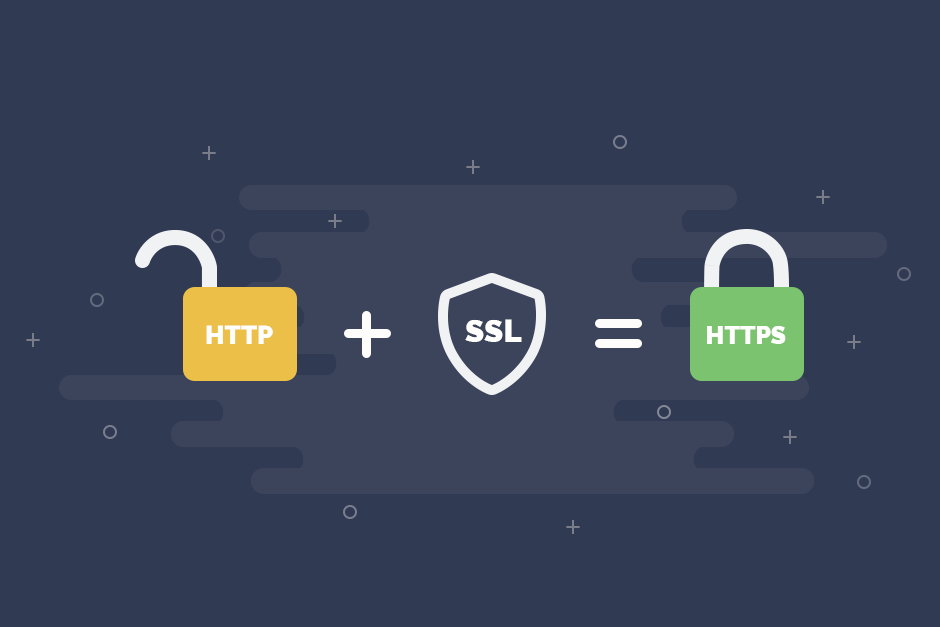
SSL is an acronym for Secure Sockets Layer. A type of digital security that allows encrypted communication between a website and a web browser. The technology is currently deprecated and has been replaced entirely by TLS.
TLS stands for Transport Layer Security and it ensures data privacy the same way that SSL does. Since SSL is actually no longer used, this is the correct term that people should start using.
HTTPS is a secure extension of HTTP. Websites that install and configure an SSL/TLS certificate can use the HTTPS protocol to establish a secure connection with the server.
- The goal of SSL/TLS is to make it safe and secure to transmit sensitive information including personal data, payment or login information.
- It’s an alternative to plain text data transfer in which your connection to a server is unencrypted, and it makes it harder for crooks and hackers to snoop on the connection and steal your data.
- Most people are familiar with SSL/TLS certificates, which are used by webmasters to secure their websites and to provide a secure way for people to carry out transactions.
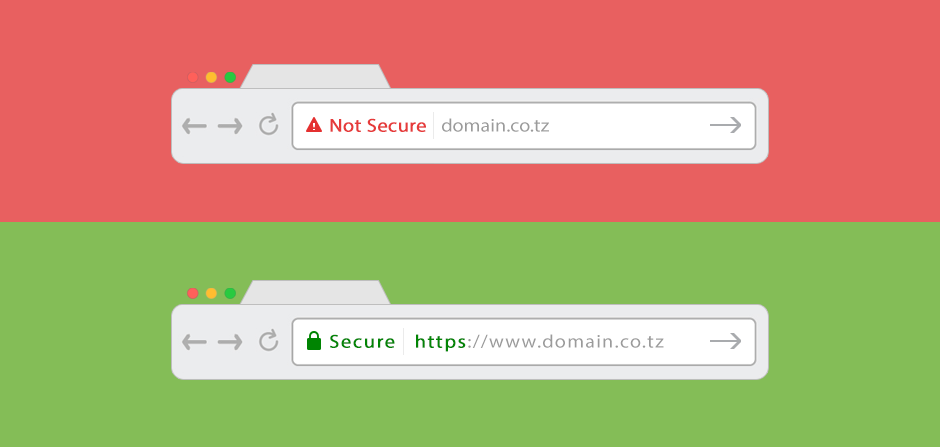
- You can tell when a website is using one because you’ll see a little padlock icon next to the URL in the address bar.
Is SSL important? Do I need SSL? Do I need to fasten the seatbelt while driving? Do I need to put on protective eyewear while watching the solar eclipse? As far as the first three questions are concerned, the answer is a big ‘YES’!
Here are our 5 key reasons.
Here are the five key benefits of using an SSL certificate.
- SSL Protects Data
The core function of an SSL certificate is to protect server-client communication. On installing SSL, every bit of information is encrypted. In layman’s terms, the data is locked and can only be unlocked by the intended recipient (browser or server) as no one else can have the key to open it. While dealing with sensitive data such as IDs, passwords, credit card numbers, etc., SSL helps you protect against the mischievous army of hackers and skimmers. - SSL Affirms Your Identity
Think of this as verified Twitter accounts. The only difference here is that you are required to verify your identity for the website instead of Twitter account. Such verification makes sure that no imposter creates a fake website pretending to be yours. In technical terms, this is called Phishing. Thus, SSL helps users drive to your real website, saves users from frauds and enhances your reputation. - Better Search Engine Ranking
In 2014, Google made changes to its algorithm in order to give the upper hand to HTTPS-enabled websites. This has been evident in various studies conducted by SEO experts around the world. One such study conducted by Brian Dean, founder of Backlinko.com shows a strong correlation between HTTPS and higher search engine rankings. - SSL Helps You Satisfy PCI/DSS Requirements
If you accept online payments, you must know a thing or two about PCI/DSS requirements. To receive online payments, your website must be PCI compliant. Having an SSL certificate installed is one of the 12 primary requirements set by the payment card industry (PCI).Therefore, SSL is essential—whether you want it or not. - SSL Improves Customer Trust
Apart from encryption and authentication, SSL certificates are vital from a customer trust point of view. The easy to identify signs inform the users that the data they send will be secured. And if you’ve installed an OV or EV SSL, they can see your organization’s details. Once they know that you’re a legitimate entity, they’re far more likely to do business with you or even revisit your site.
To sum it all up
How safe would you feel if your browser warned you about a website being “not secure”? Because that’s what will be shown in the upcoming version of Chrome if you don’t have an SSL certificate. Do you want that? Of course, you don’t.
So, what are you waiting for? Inquire from us today and add an unconquerable layer of protection to your website.